Understanding Tennis Court Surfaces and How They Affect Your Game
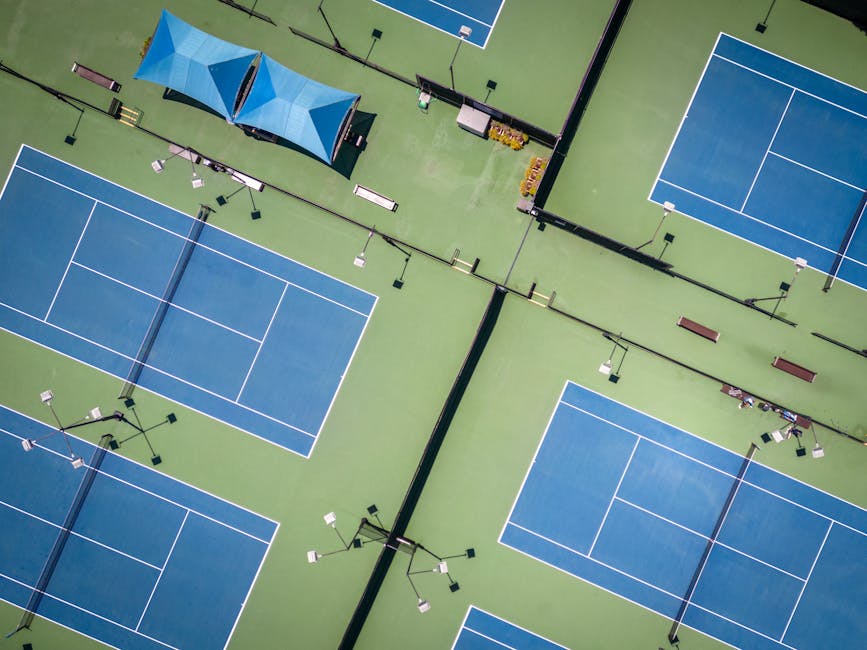
The surface you play on changes everything about tennis. The ball behaves differently, your footwork adjusts, and your tactics shift. Understanding these differences helps you adapt your game and choose where to practice.
Hard courts
Hard courts are the most common in the UK. They're made from acrylic or asphalt and offer consistent, predictable bounce. The ball travels quickly, and points tend to be shorter. Hard courts are tough on joints, so proper footwear and technique matter greatly.
If you're developing your game, hard courts teach you to be efficient. You can't rely on slow rallies, so you learn to finish points decisively. They're ideal for building power and pace.
Clay courts
Clay courts slow the game down significantly. The ball bounces higher and slower, giving you more time to prepare your shots. Clay is forgiving on your body, making it excellent for injury prevention and recovery.
Playing on clay develops consistency and patience. You learn to build points rather than blast winners. Many top players credit clay courts with teaching them proper technique, since you can't hide mistakes on a slow surface.
Grass courts
Grass courts are rare in Britain now, but Wimbledon remains the most famous. Grass is incredibly fast—the ball barely bounces, and points end quickly. It rewards aggressive play and punishes defensive tennis.
Playing grass teaches you to be confident and attack. Your serve becomes more important, and net play skills are essential. The surface is unpredictable, which keeps you mentally sharp.
How to adapt your game
- On hard courts: Focus on power, clean technique, and finishing points
- On clay: Build patience, develop consistency, and work on movement
- On grass: Practise serve and volley, play aggressively, and stay confident
Choosing where to train
If you want well-rounded improvement, train on different surfaces. Hard courts build power, clay develops technique, and grass teaches aggression. Many UK clubs have multiple surfaces, letting you develop versatility.
Starting on hard courts is sensible for beginners because the bounce is predictable. Once you're comfortable, spend time on clay to refine your technique. This builds a strong foundation that works anywhere.
Different surfaces also suit different people. Some players love the pace of hard courts, while others prefer the rhythm of clay. Try them all and discover where your game feels best.